What is poverty?

Mar 15 JDN 2461115

What is poverty? It seems like a simple question, one we should all already know the answer to; but it turns out to be surprisingly complicated.

In practice, we mainly define some amount of income or consumption that is considered a “poverty line”, and declare that everyone below that line is in poverty, while everyone above it is not.

This post is about why that doesn’t work.

The most obvious question is of course: How do we draw that line? Some absolute level, or relative to income in the rest of society? Different places do it differently.

But I have come to realize that there is actually a deeper reason why there will never be a satisfying choice of “poverty line”:

There is no specific amount of income that could ever decide whether someone is in poverty.

It’s not a question of purchasing power. prices, or inflation. It’s not something you can adjust for statistically. It’s a fundamental error in defining the concept of poverty.

The problem is this:

Human needs are not fungible.

This Less Wrong post on “Anoxistan” really opened my eyes to that: No amount of money can make up for the fact that you’re missing something you need, be it a roof over your head, food on your table, clean water to drink, or medical care—or, as in the parable, air to breathe.

The best definition of poverty, then, is something like this:

Poverty is having to struggle to meet basic human material needs.

(I specify “material” needs, because someone who is alone and unloved has unmet human needs, but it is not the responsibility of even a utopian fully automated luxury communist society to provide for those needs. They may very well be miserable, but it does not make them poor.)

Maybe—maybe—in a well-functioning market economy, we can sort of muddle through by making a list of what everyone needs, finding the prices for all those goods and services, adding that up, and declaring that the poverty line. (This is often what we actually do, in fact.) The notion would then be that, as long as you have at least that amount of money, you can probably buy all the things you need.

But this rapidly breaks down if you aren’t facing the same prices as what were used to make that aggregation—which you almost never are, because nobody is the average American living in the average American city. And it also misses the fact that security is a human need, and simply having the necessary income for now is not at all the same thing as knowing that you’ll continue to have the necessary income in the future.

One Libertarian commentator asked me: “Would you really switch places with Rockefeller if you could?”

I had to think about it: I’d be losing a lot of things, for sure. No Internet, no cell phone, no computer, no video games. The quality of my clothes might actually be worse (though my wardrobe would surely be larger). Finding vegetarian food I enjoy might actually be more of a challenge, though I could surely import it from anywhere. Worst of all, I would lose access to many medical treatments I currently depend upon: Treatment of migraines in the late 19th century was considerably worse, and treatment of depression was essentially nonexistent.

Since this is about wealth, I think we can ignore the fact that I’d be moving into a terrifyingly racist, misogynistic and homophobic society. That itself might actually be the reason I wouldn’t really want to make the switch. But you can simultaneously believe that the late 19th century was a worse time than today for everyone who wasn’t a White cisgender heterosexual man, and also that Rockefeller was much richer than you’ll ever be.

But what would I gain? Power, though I have very little interest in that. Opportunities for philanthropy, which I do care about, but they’d benefit other people more than myself. Real estate—I don’t even own my own home, and Rockefeller owned multiple mansions, including, famously, the Casements in Florida.

But above all, I would gain security. Owning an oil company would allow me to live comfortably for the rest of my life, and most likely also allow my heirs to live comfortably for their entire lives, without me ever needing to work another day. I could still take jobs if I wanted them, but no employer would ever have any power over me. If I was unhappy at a job, I could just leave. If I wanted to spend a month, or a year, or a decade, without working at all, I could just do that. That is what it means to be rich. That is what Rockfeller had that I don’t think I will ever have.

The difference between being rich and being poor is security.

As long as anyone is struggling to make ends meet, poverty exists.

As long as anyone is afraid to lose their job, poverty exists.

As long as anyone is choosing not to have children because they don’t think they can afford them, poverty exists.

As long as bosses can abuse their employees and get away with it, poverty exists.

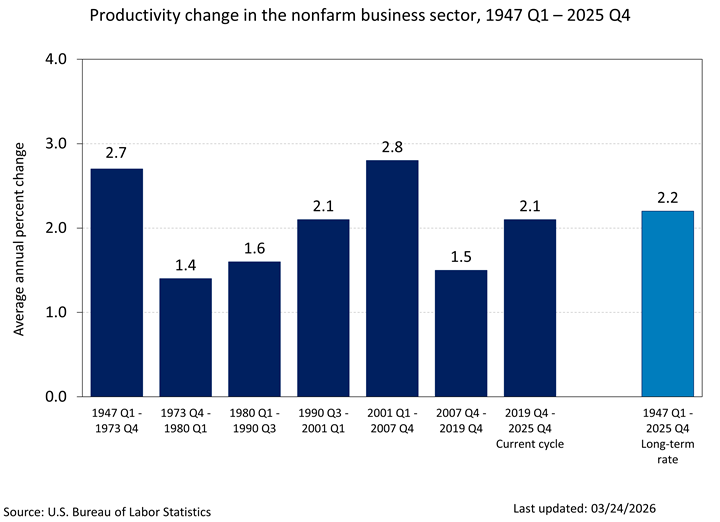
And in fact, it begins to look like poverty in the United States has not been decreasing over the last two generations, even as our per-capita GDP and median income have continued to rise and our population below “the poverty line” have fallen. (Indeed, that particular measure of “unable to afford children” has very clearly greatly increased, and is a very bad sign for our society’s future.)

This is how our economy is failing. It has given us lots more stuff, and made some things available to all that were once only available to the rich; but it has not freed us from the constant struggle to meet our basic needs, even though there are clearly plenty of resources available to do that.

The housing affordability crisis in one graph

The housing affordability crisis in one graph

Mar 8 JDN 2461108

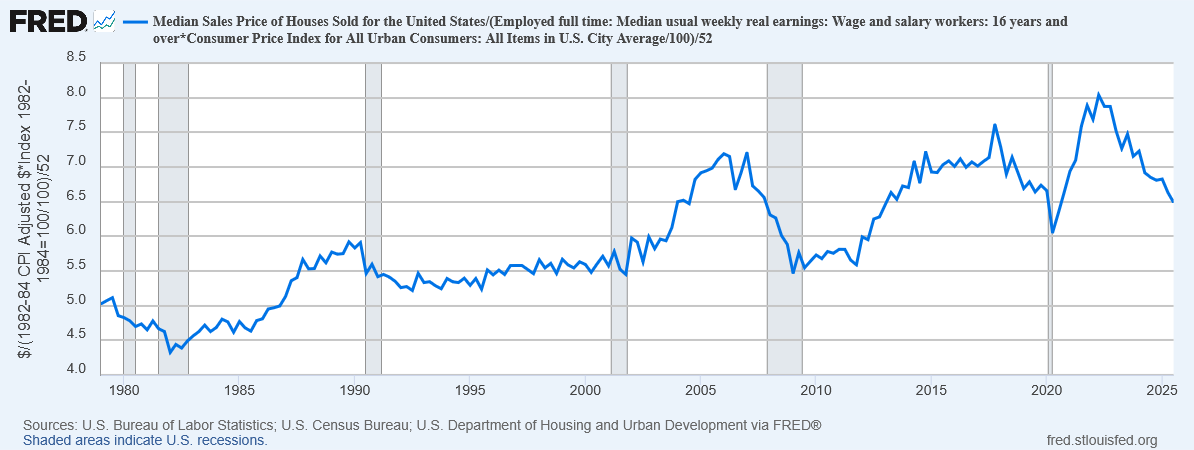
The graph below, constructed from FRED data, provides a simple measure of housing affordability: How many years of median earnings does it take to afford the median home?

From a low of 4.4 in 1982, this rose to about 5.5 and was relatively stable in the 1990s. Then in the 2000s, it began to rise, peaked at 7.2 just before the housing crisis, and then rapidly dropped to back to 5.5 again.

Then in the 2010s it began to rise again, peaked even higher at 7.6 in 2017, and then dropped down to 6.0 in 2020 before beginning to rise anew. In 2023 it reached a yet higher peak of 8.0, and then has been slowly declining ever since—but is still about 6.5, well above its 1990s level.

I honestly expected worse than this, but I think part of what’s happening is that new homes have gotten a bit smaller in the past few years: median square footage of homes sold has fallen from a peak of 1997 in 2019 to 1788 today. (Unfortunately, FRED doesn’t have this data series going back any earlier than 2016.)

If we adjust for that, the price a typical 2019 home today would be about 7.2 years of median earnings, which is about what it was at the peak of the housing crisis in 2007.

Note of course this isn’t actually how many years you need to save up to buy a house. You clearly can’t save your entire earnings, but you also don’t need to come up with the full price, only the down payment. And what you can afford also depends upon interest rates and such. But still, it’s a pretty clear sign that housing is radically more expensive now than it was in the 1980s or even 1990s.

In my view, this is the affordability crisis.

Gas prices really aren’t that important. Car prices are relatively stable. Food prices are volatile but don’t have a bad long-term trend. We do still have serious problems with affordability in education and healthcare, but we have obvious solutions available (that several other countries are already doing successfully); we’re just not doing them because Republicans don’t like them. But housing? We have no clear solutions on the table, certainly not anything that would be politically viable. Fundamentally, we need to build more housing in places people want to live—a lot more housing—and force the price of housing down.

And with our society structured the way it is, when you price people out of housing, you price them out of adulthood. Millennials are not having kids at anywhere near the rate of previous generations, because raising kids requires living space. Especially with immigration collapsing after Trump, this housing affordability crisis is going to turn into a population crisis.

I guess what I’m hoping for at the moment is just consciousness-raising, making people see that this is actually a problem. For some reason, everyone agrees that rising prices of goods are a bad thing, except when it comes to housing.

Inflation in food? An urgent crisis that must be immediately resolved.

Inflation in gas prices? So terrible it’s worth invading other countries over.

Inflation in housing? No, somehow that’s good actually, because it makes homeowners feel richer (even though they actually owe more in property taxes). We treat housing like an asset instead of a good, which is something we should absolutely never, ever do with a good that people need to live.

How could we make job search less of a nightmare?

Mar 1 JDN 2461101

This has been my “career” for the last two years:

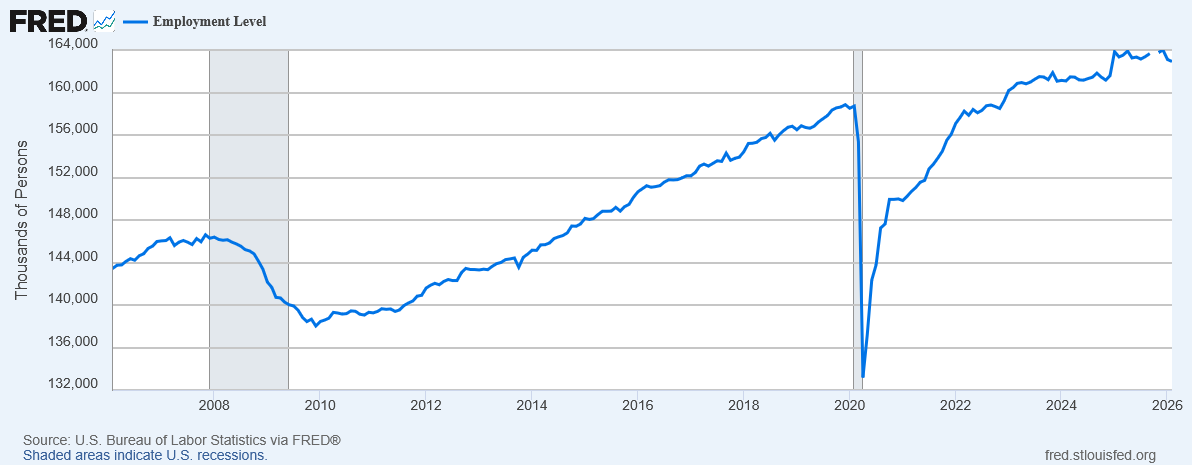
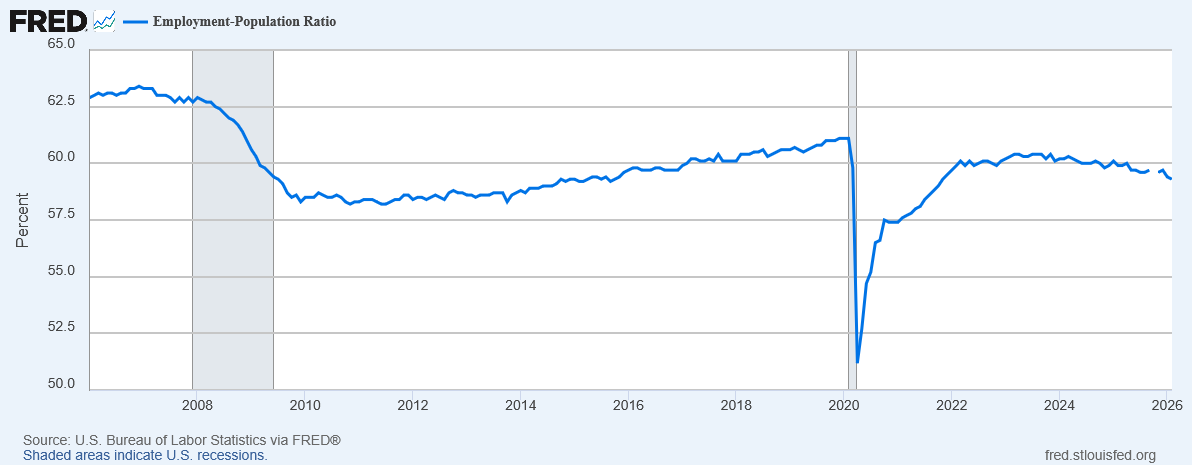
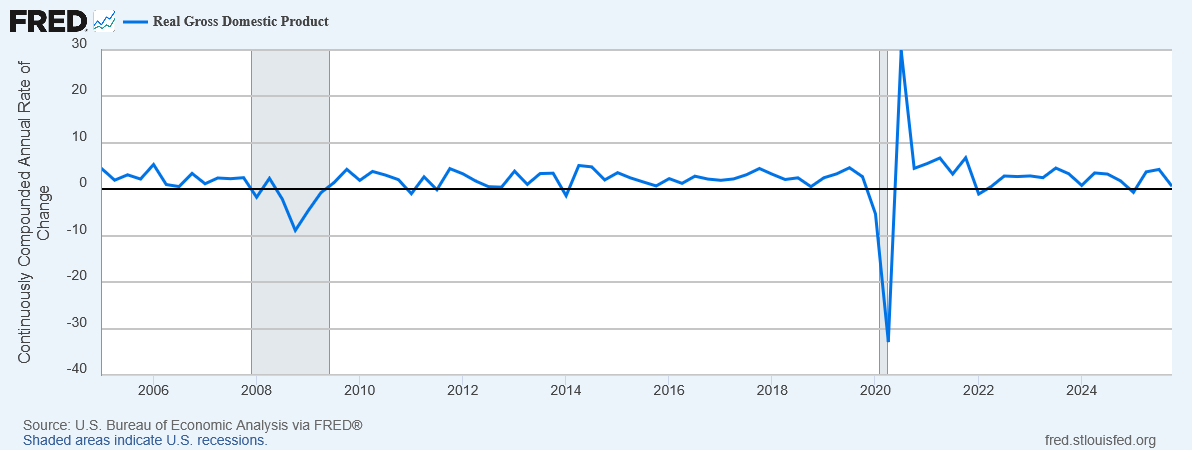
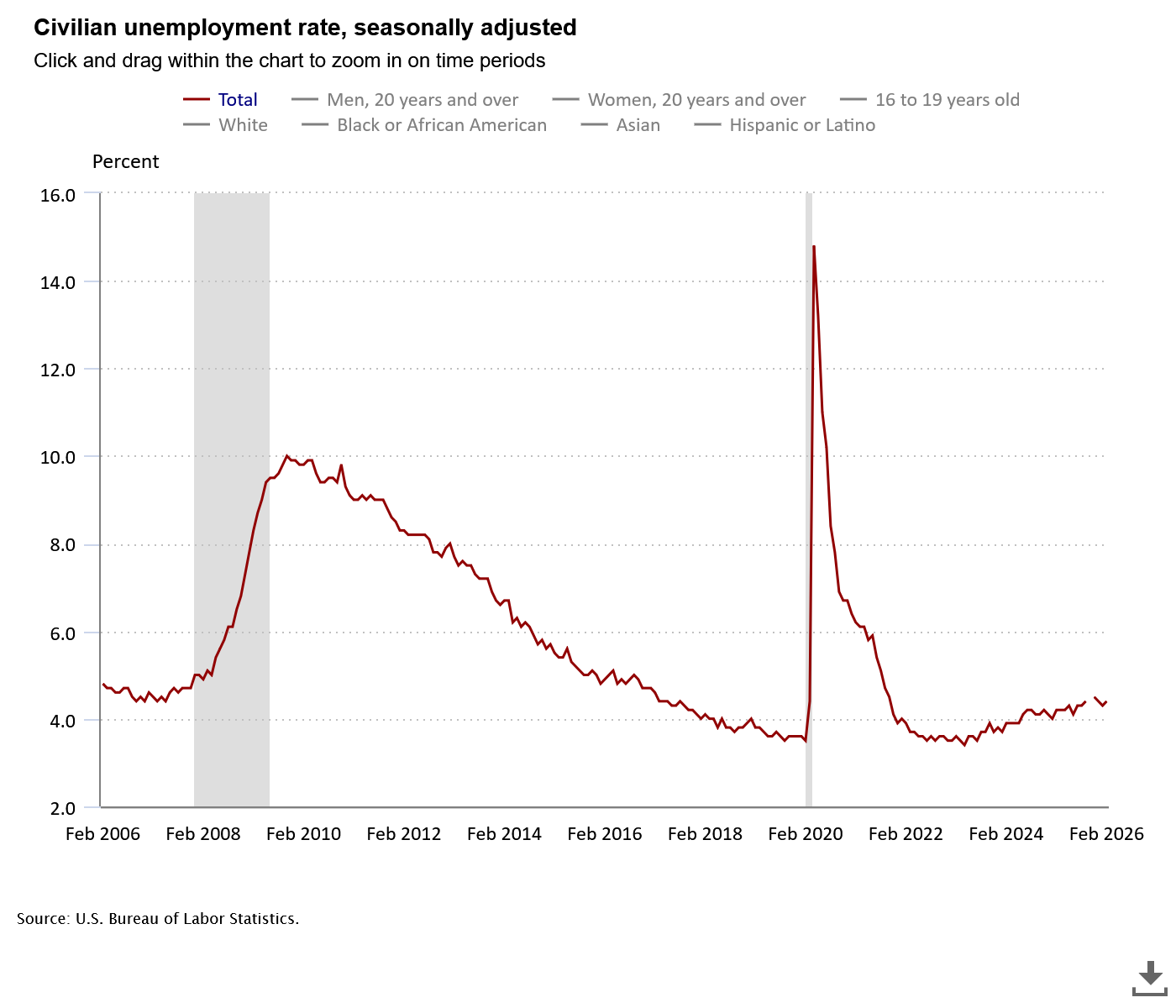
I search through thousands of job postings, which, despite various filters and tags on my searches, almost none of which are actually good fits for me—in part because the search engines simply do not contain a great deal of information that would be vital, like “LGBT friendly”, “supportive of neurodivergent employees”, or “good at accommodating disabilities”. Instead it’s all sorted by “job title”, which at this point is clearly an arms race of search-engine optimization, because I keep getting listings called “tutor” which are actually some sort of interactive training of yet another large language model nobody actually needs. (Actual tutoring of actual human students often is a good fit for me—though it pays much better if you’re freelance than if you work for a company, because the companies take a huge cut of what the customers pay.)

But, after an hour or two of searching, I find a few that seem like they might be worth applying to. They’re never a perfect fit, but beggars can’t be choosers, so I decide I’ll go ahead and apply to them.

They ask for a resume. No problem. Perfectly sensible, I have one handy; maybe I’ll tweak it a bit, but if it’s an industry I often apply to, I may already have a tweaked version ready to go.

They ask for a cover letter. Okay, I guess. There usually isn’t much I can really say there that isn’t already in my resume, but occasionally there’s something worth adding, and it’s only maybe half an hour of work to update an existing cover letter for a new application.

Then, they ask me to input my work history in their proprietary format on their website. WHAT!? WHY!? I just gave you a resume! You aren’t even willing to read it? You want to be able to automate the reading of my resume, so I have to enter into your proprietary database? But okay, fine; beggars can’t be choosers, I remind myself. So I enter everything that’s in my resume again.

Then, they ask me what salary I want. I know this game. You’re trying to make me reveal my preference in this bargaining game so you can gain bargaining power. So I look up what kind of salaries companies like them usually offer for jobs like this, and then I hike it up a bit as the opening bid in a negotiation.

Then, they ask me to fill out some questions that are supposed to assess… something. Some kind of personality test, or “culture fit”, or something similarly fuzzy. I try to interpolate my answers between my genuine feelings and the kind of hyper-obedient corporate drone they’re probably looking for, because I’m not an idiot who would answer honestly (I’m not that autistic), butI wouldn’t actually want to work for anyone who required the very topmost corporate-drone answers.

And then, what happens?

Absolutely nothing.

No response. Weeks pass. At some point, I have to assume that they’ve filled the position or closed it, or maybe that the vacancy was never real at all and they posted it for some other reason—likely to give some sense of searching when they in fact already have someone in mind. (Apparently over a third of online job postings are fake.)

I have done this process over two hundred times.

And in doing so, I have chipped off pieces of my soul. I feel like a shell of the person I was. And I have absolutely nothing to show for it all.

I am not even unusual in this regard: Recruiters often complain that they are swamped because they get 200 applicants per posting—but that means, mathematically, that an average job-seeker must apply to 200 postings before they can expect to get hired. (And which is more work, do you think: Writing a cover letter, or reading one?)

How could we make this better?

There are a lot of problems to fix here, but I have one very simple intervention that would only slightly inconvenience recruiters, while making life dramatically better for applicants. Here goes:

Require them to show you the resume of the person they actually hired.

There should be a time window: Maybe 30 days after you applied; or if it’s a position like in academia where they don’t do interviews for a long time after the application deadline, within 7 days of them starting interviews.

Anonymize the resume appropriately, of course; no photos, no names, no contact information. We don’t want the new hire to get harassed by their competitors. (And this takes, what, 5 minutes to do?)

But having to send that resume solves several problems simultaneously:

  1. It means they have to actually respond—they cannot ghost you. It can be a two-line form letter email with a one-page attachment that’s the same for all 200 applicants—but they have to send you something.
  2. It means they have to actually hire someone—the posting cannot be completely fake. If they are for some reason unable to fill the vacancy and have to close it, they should have to tell you that, and give a reason—and that reason should be legally binding such that if you ever find out it’s not true, you can sue them.
  3. It means that person had to actually apply—they couldn’t have been someone’s nephew who was automatically given the job and the posting was only made to make it look like there was a hiring process. At the very least, said nephew had to actually cough up a resume like the rest of us.
  4. It allows you to compare qualifications—you can see how you stack up against the new hire. If they are genuinely far more qualified? Well, fair enough; perhaps this job was a stretch for you, or it’s a very rough market. If they are about as qualified, or better in some ways, worse in others? Well, you surely were to apply, but you can’t win ’em all. But if they are far less qualified? You now have the basis for a lawsuit, because that looks like nepotism at best and discrimination at worst—and they had to give you that evidence, in writing, in a timely fashion.

The penalty for failing to comply with this regulation could be a small fine, perhaps $100—per applicant. The more people you ghost, the more you have to pay up.

This is clearly a very small amount of extra effort for the recruiters. They already have the resume—hopefully—and all they need to do is anonymize it, grab a standard form letter rejection email, BCC all the applicants to this position (which are—again, hopefully—already stored in one place in the company’s database), attach the anonymized resume, and click Send. We’re talking 15 minutes of work here, regardless of the number of applicants. In fact, it could probably be automated so as to require almost zero marginal effort for each new job: Just check the box next to the name of the person who was hired in the applicant tracking system, and it does the rest. (And if the person you hired wasn’t in the applicant tracking system? That sounds like a you problem, because you’re clearly not treating the other applicants fairly.)